- The importance of financial literacy in the Black community and why learning is the first step to wealth.
- Why young people should start investing and setting up a retirement annuity early.
- Strategies for managing debt, balancing short-term savings with long-term investments, and handling irregular income.
- The power of automation in building wealth and forcing financial discipline.
- How to make smart decisions with unexpected windfalls, such as bonuses or inheritances.
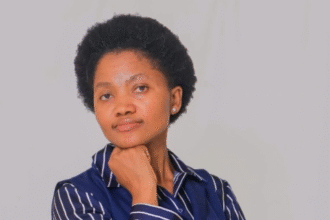
Rasephehi Sekese’s journey into financial planning began with a single inspirational talk. As a student, he attended a session with financial expert Mlamuli Mbambo, whose passion for financial literacy sparked something in him. Today, Rasephehi is not only a financial planner and wealth strategist but also a mentor helping people rewrite their financial stories. With qualifications in wealth management, financial planning, and an advanced diploma in counseling, he approaches money matters with both technical expertise and emotional intelligence. He believes that true financial freedom starts with the willingness to learn and unlearn long-held misconceptions.
Breaking Financial Barriers
“Be willing to learn.” This simple yet powerful philosophy drives Rasephehi’s work. He acknowledges that financial literacy is not something many people—especially in Black communities—grow up with. Instead, money is often a taboo subject, wrapped in myths and misconceptions.
One of the biggest hurdles he encounters is resistance to financial advice. “I often hear people say, ‘I don’t need help with my money,’ or worse, ‘What do you, as a Black person, know about money? I’d rather seek help from a white financial advisor.’” But he challenges this mindset by encouraging open conversations. “I tell people, just sit down with me—no pressure. Let’s have a simple conversation. More often than not, those who were reluctant at first end up thanking me for changing their perspective.”
The First Steps to Wealth: Invest Early and Stay Consistent
When it comes to building wealth, time is your greatest asset. “If you’re 19 or 20, start now. Set up a retirement annuity early,” he advises. Starting young not only gives your investments more time to grow but also instills financial discipline.
But what if you feel like you don’t make enough to invest? Rasephehi believes it’s about priorities. “Many people think investing is only for the wealthy, but that’s not true. Even small, consistent investments compound over time.” He helps clients understand that wealth isn’t about how much you make, but how well you manage what you have.
Saving vs. Investing: Finding the Balance
One of the biggest financial struggles people face is deciding how to split their income between saving and investing. “This depends on your financial behavior,” he explains. “If you’re naturally impulsive, we need to first work on changing that mindset before we even talk about saving and investing.”
Once the mindset is in check, the next step is balancing short-term goals (like emergency savings) with long-term wealth-building. “I always recommend having both. You need at least one short-term investment for liquidity and one long-term investment for growth. And don’t forget to protect your financial future with a solid risk portfolio.”
Debt: Friend or Foe?
For many, debt is a burden. But Rasephehi sees it differently. “Debt isn’t inherently bad. There’s good debt and bad debt. The problem is, most people don’t know the difference.”
Bad debt includes unnecessary purchases and high-interest credit card debt. Good debt, on the other hand, can be a powerful tool. “Taking out an investment loan, for example, can be a smart move if managed correctly.” He helps clients shift their perspective, teaching them how to use debt strategically rather than fear it.
What to Do with Unexpected Money
What if you suddenly receive a lump sum—like a bonus or inheritance? Many people either spend it impulsively or don’t know how to make the most of it. Rasephehi’s approach is simple yet effective: “I recommend splitting it into three parts—60% for long-term investments, 30% for short-term, and 10% for leisure. I don’t want my clients to feel like I’m stopping them from enjoying their money. But the key is to make sure the majority of it is working for their future.”
For older individuals, he suggests a different strategy. “If you’re approaching retirement, purchasing an annuity is one of the best ways to create a steady income stream while still growing your capital.”
Managing Money with an Irregular Income
For freelancers and entrepreneurs, budgeting can feel like a nightmare. Without a fixed salary, how do you create financial stability?
“I always tell my clients to establish a base income,” Rasephehi explains. “For example, if a freelancer never makes less than R20,000 in a month, we use that as the foundation. Anything extra is a bonus, but the budgeting is done based on that base amount.” This method helps create predictability in an otherwise uncertain financial situation.
The Power of Automated Saving
One of the most underrated wealth-building tools? Automation. “Set up an investment that goes off automatically and can’t be easily canceled,” Rasephehi advises. “This forces discipline—yes, I said ‘force’ because some people need it.” He stresses that making savings non-negotiable is the key to long-term financial security.
Creating Generational Wealth
Rasephehi doesn’t just teach financial literacy—he’s passionate about changing mindsets and empowering people to create wealth that lasts for generations. Whether it’s overcoming financial misconceptions, managing debt wisely, or investing with purpose, his approach is built on education and action.
“The money game isn’t about how much you earn—it’s about what you do with what you have. And the sooner you start, the better your financial future will be.”
About the Expert

Rasephehi Sekese is a financial planner and wealth strategist at Liberty, as well as a trainer, assessor, and facilitator at Thuto Tutorials. He holds multiple qualifications, including an RE5 certification from Moonstone Business School of Excellence, Class of Business certificates from Integrity Academy, and an Advanced Diploma in Counselling from the South African College of Applied Psychology. Beyond finance, he is also a musician, performing under the pseudonym “RAS.”
Check out his music on all streaming platforms: Listen Here