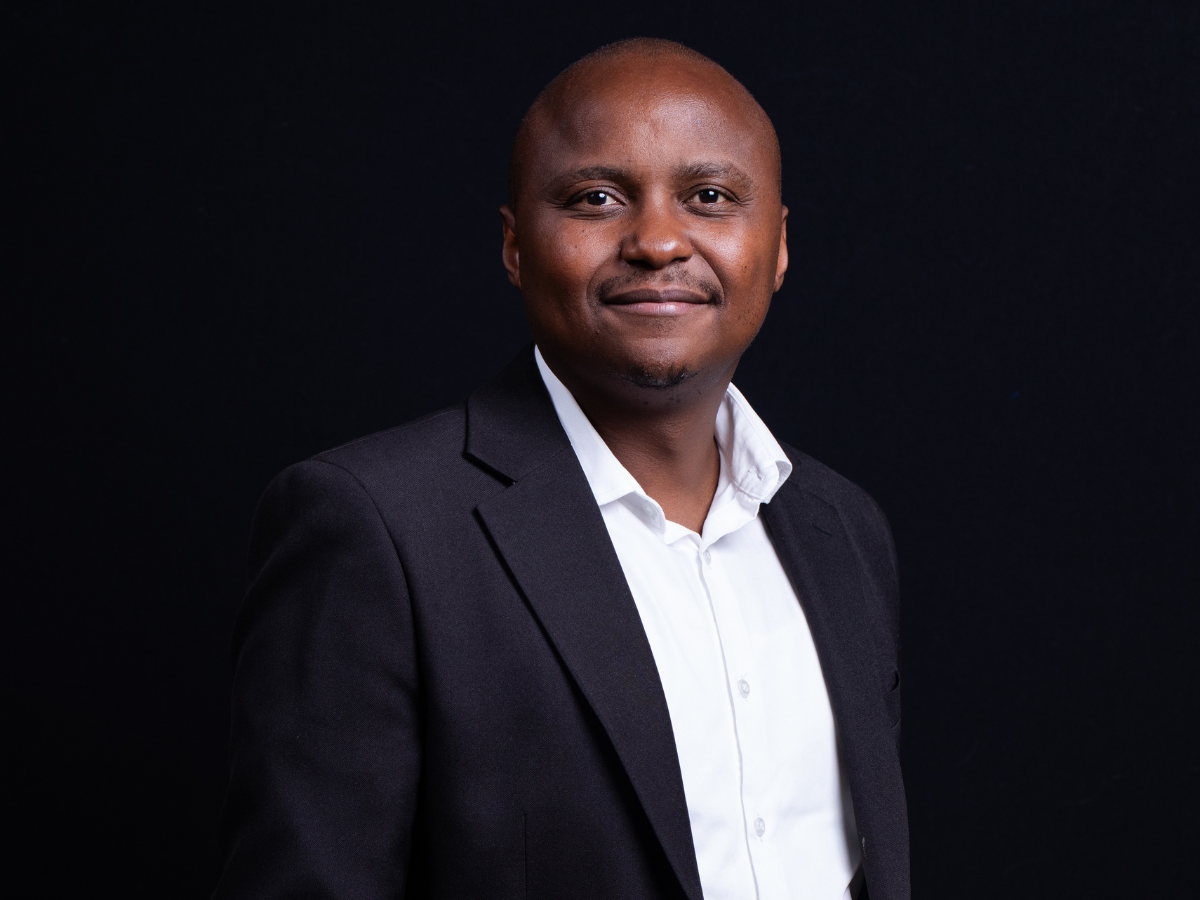
Before he understood what investing really meant, Talani Ndimande was already fascinated by it. As a young boy, he stumbled upon the idea of the stock market and knew immediately that his life would orbit around finance. What started as curiosity grew into determination, and eventually, into a full-fledged profession rooted not in numbers, but in people. Today, Talani is a wealth manager whose clients don’t just receive advice—they receive guidance shaped by discipline, ethics, deep academic grounding and lived experience.
Where It All Began: A Curiosity That Refused to Fade
For Talani Ndimande, finance was never a career stumbled into by chance. It began early, quietly, and with curiosity. As a young boy, he became fascinated by the idea that money could grow—by the existence of stock markets and financial systems that operated beyond everyday transactions. That curiosity soon evolved into conviction.
Even at a young age, Talani knew one thing for certain: investments were not optional for him. They were the path. This clarity shaped his academic choices, pushing him toward commercial subjects throughout primary and high school. While many children dream of careers without fully understanding them, Talani already envisioned himself as an investor—someone who would not only grow his own money, but help others grow theirs too.
That early sense of direction laid a foundation that would later define his entire professional journey.
University of Pretoria: When Theory Met Reality
Talani’s decision to study Investment Management at the University of Pretoria marked a turning point. What he encountered there challenged the simplistic view of investing he had carried as a child. Gone was the idea that wealth was built by “clicking buttons” and watching money multiply overnight.
Instead, he was immersed in a rigorous curriculum that moved from foundational principles to advanced portfolio management. He learned about financial instruments, asset allocation, risk, and long-term strategy. More importantly, he learned that investing is structured, disciplined, and deeply analytical.
This academic exposure reshaped how he thought about money. Investment management, he realised, was not about shortcuts—it was about systems, patience, and responsibility. The degree didn’t just teach him what to do with money; it taught him how to think about it.
The Lesson Textbooks Don’t Teach: Emotions and Human Behaviour
With hindsight, Talani believes the most important lesson in finance is rarely emphasised enough in textbooks: investing is as much about human psychology as it is about numbers.
Markets move, but people react. Fear, greed, panic, and overconfidence shape decisions just as much as data does. Talani observed that once real money is on the table, emotional discipline becomes the true test of an investor. Gains create excitement, losses create anxiety, and very few journeys follow a straight upward line.
Understanding this helped him appreciate that financial success requires emotional control. Peaks and troughs are inevitable. The ability to remain steady through both is what separates sustainable wealth from costly mistakes.
Professional Growth: From Job to Responsibility
Entering the financial services industry exposed Talani to another reality: regulation, accountability, and the weight of advising people about their lives. What initially felt like “a job” quickly became a responsibility.
Pursuing his RE5 certification was a necessary step—legally required for anyone providing financial advice. But for Talani, it was more than compliance. It was an entry point into a profession governed by ethics, mentorship, and oversight. Working under experienced key individuals helped build both his confidence and competence, reinforcing the idea that guidance matters—especially early on.
This experience planted the seed for a deeper commitment to professionalism.
Why the CFP Designation Mattered
The decision to pursue the Certified Financial Planner (CFP) designation was not made lightly. Balancing full-time work, demanding studies, and family responsibilities required significant sacrifice. The process was intense, stretching over months of preparation and examination.
Yet, for Talani, the challenge was the point.
The CFP designation represented more than a title. It symbolised depth, ethics, and accountability. It pushed him to think holistically—beyond products and performance—towards comprehensive advice that considers tax, estate planning, risk, and long-term impact.
Completing the CFP fundamentally changed his advice philosophy. It sharpened his thinking and reinforced one core belief: when you work with people’s money, you are working with their lives. Guesswork and sales-driven decisions have no place in that responsibility.
Seeing Clients as People, Not Portfolios
Having worked across different financial institutions, Talani has advised clients from vastly different income brackets. One of his strongest convictions is that every client matters, regardless of how much or how little they have.
Whether someone is starting with a R10,000 retirement fund or managing millions, the principle remains the same: they deserve the same level of care, respect, and quality advice. Everyone is working toward something—security, freedom, dignity, or legacy.
He has also seen a recurring pattern: many people delay seeking advice, believing they will “figure it out later.” When they eventually sit with a professional, they often realise how much more effective their journey could have been if they had started earlier.
A Day in the Life: Structured, Yet Never the Same
There is no such thing as an “average” day in Talani’s work. Each client brings unique goals, challenges, and life circumstances. His days typically begin with understanding market movements—locally and globally—before reviewing appointments and engagements.
Some days involve client meetings, others involve travel, virtual consultations, or deep administrative and planning work. Much of his time is spent designing, reviewing, and restructuring financial plans—always with efficiency and suitability in mind.
Contrary to popular belief, wealth management is not about finding the cheapest option. It is about finding the right one—balancing cost, tax efficiency, risk, and long-term outcomes.
The Most Underrated Part of Wealth Management
If there is one aspect of his job Talani believes is underestimated, it is planning and restructuring. Many people believe diversification simply means spreading money across multiple providers. In reality, portfolios can appear diversified while still carrying the same risks, exposures, and inefficiencies.
True planning considers everything: tax implications, estate planning, product costs, and long-term consequences. Without this holistic view, short-term savings can easily turn into long-term losses.
For Talani, real value is revealed when a comprehensive financial plan is placed in front of a client—one that shows not just returns, but clarity.
Who Is the Ideal Client? Everyone Willing to Start
Talani does not believe wealth management is reserved for the wealthy. His ideal client is not defined by income, but by willingness. Whether someone has R5,000 or R5 million, the principle is the same: start where you are.
Time, especially for younger clients, is one of the greatest assets. Compounding rewards patience far more than perfection. His role is to meet people at their current stage and help them grow toward where they want to be—step by step.
Purpose, Motivation, and Legacy
After nearly a decade in the industry, Talani remains motivated by impact. The true reward of his work is knowing that he has made a difference—helped someone understand their finances, make better decisions, and move closer to their goals.
When asked about legacy, his answer is simple and consistent: adding value. If every person he has advised is better off because of that interaction, then his work has meaning.
In a world obsessed with quick wins and overnight success, Talani Ndimande stands firmly for discipline, patience, and intentional growth—proving that real wealth is built over time, with care.