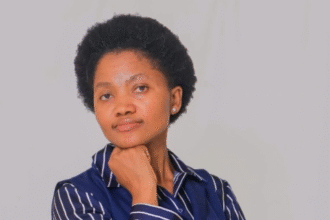
Dr. Bontle Ntshole’s career is a testament to the evolving nature of medicine. From her early dreams of becoming a doctor to her transition into healthcare strategy, she has continuously sought ways to make a broader impact. Her journey highlights the challenges of clinical practice, the importance of mental health awareness, and the diverse opportunities available in the medical field beyond traditional clinical medicine.
A Calling Rediscovered
For Dr. Bontle Ntshole, the path to medicine was not as straightforward as one might assume. “From a young age, I dreamt of becoming a doctor, driven by a deep desire to help others,” she recalls. However, as she grew older, that passion dimmed. It wasn’t until she began her BSc studies that she rediscovered her calling. “Surrounded by inspiring medical students and dedicated doctors, I witnessed firsthand the incredible impact they were making in people’s lives. Their commitment and compassion reignited my childhood dream, and I realized that pursuing a career in medicine was not just a choice—it was my calling.”
Defining Moments in Medical Training
Medical school is known to be rigorous, but for Dr. Ntshole, the most transformative experience came early in her journey. “In my first year of medical school, working at an HIV hospice profoundly shaped my journey as a future doctor. Engaging in tasks such as bathing, feeding, and changing diapers of adult patients deepened my appreciation for all healthcare professionals, especially nurses and caregivers.” This experience also highlighted the importance of viewing patients as whole individuals rather than solely through their lens of their illnesses and holistic care in medicine.
While medical school provided the necessary knowledge, she quickly realized that it did not fully prepare her for the emotional challenges of patient care. “Internship and community service were crucial in bridging this gap. I faced a steep learning curve filled with sleepless nights and self-doubt, often questioning my career choice. A particularly profound moment was when I lost a patient and had to break the news to their family. This experience highlighted how unprepared I was for the emotional weight of such situations, revealing the deep connections we form with our patients.”
Despite these challenges, she learned to navigate grief, build resilience, and become a compassionate doctor. “My journey has shown me that integrating emotional preparedness into medical training is essential.”
Transitioning Beyond Clinical Practice
Dr. Ntshole’s career has taken her across different disciplines, from clinical to corporate roles. Her motivation for these transitions stemmed from the challenges she faced as a primary healthcare provider in rural clinics. “I realized that to effect meaningful change in patient care, I needed a broader influence on the healthcare system.”
However, moving into corporate was not easy. “I quickly learned that corporate presented its own set of challenges and was distinctly different from clinical work. So yet again, I found myself facing another steep learning curve.” Achieving work-life balance was difficult, especially with extensive travel. Despite this, she found fulfillment in addressing unmet medical needs and being part of a team dedicated to delivering life-saving medications to South Africa.
Broadening the Horizons of Medicine
Many young doctors believe that medicine follows a linear path, but Dr. Ntshole encourages them to explore different opportunities within healthcare. “In medical school, our education primarily focused on clinical competencies, often neglecting the equally important non-clinical aspects of medicine. It is crucial for medical students to recognize that their careers can extend far beyond the confines of the hospital ward.”
She emphasizes that while securing non-clinical roles may not be straightforward, the diversity of experiences offers valuable lessons. “My personal journey has reinforced the belief that both clinical and non-clinical roles play vital roles in shaping the future of healthcare.”
The Mental and Emotional Toll of Medicine
Now self-employed, Dr. Ntshole’s daily routine involves numerous meetings, networking, and learning the business side of medicine. While this career shift has allowed her greater control over her schedule, she remains mindful of maintaining balance. “I make it a point to prioritize breaks and engage in activities that bring me joy. This balance has significantly enhanced my overall well-being.”
One of the greatest challenges she faced during clinical practice was the lack of resources. “Doctors encounter numerous challenges, some shared by all and others unique to individuals. A significant hurdle I faced during my clinical practice was the lack of resources, especially medicines, an issue that continues to affect many of my colleagues today. This underscores the importance of ongoing conversations with relevant stakeholders to address these challenges for the benefit of our patients. This is one of the many reasons why I transitioned to non-clinical medicine so that I can be in rooms where such decisions are made.”
Coping with Burnout and Prioritizing Mental Health
Burnout is a widespread issue in the medical field, and Dr. Ntshole has experienced it firsthand. “Throughout medical training, we are often taught to persevere through difficulties, prioritizing work above all else. While this mindset can foster resilience, it can also take a toll on our mental health. I have personally experienced burnout, often recognizing its severity only when I was already overwhelmed.”
She advocates for setting clear boundaries and prioritizing mental health. “If you find your mental health compromised, please seek help. Remember, asking for help is a sign of strength, not weakness.”
Support Systems and Institutional Changes
Dr. Ntshole credits her faith, family, friends, therapy, and exercise for helping her maintain her well-being. “My faith serves as the foundation of my identity, shaped profoundly by God’s grace and mercy in my life. The unwavering support of my family and friends plays a crucial role in my well-being. Lastly, I find that therapy and regular exercise significantly contribute to my mental and physical health.”
While mental health awareness has improved within the medical field, she believes there is still work to be done. “Many individuals are still reluctant to seek help for depression and burnout due to fears of appearing weak. It is essential for universities and employers to create a supportive atmosphere that encourages seeking assistance.”
A Vision for Healthcare and Mental Health Advocacy
As she continues expanding her business, Dr. Ntshole is committed to mental health advocacy within the medical field. “Recent discussions have highlighted the significant mental health challenges faced by healthcare professionals, particularly doctors. It is my hope that this important dialogue continues to gain traction, leading to increased awareness and support for those in the medical field.”
To stay informed, she actively reads, attends industry conferences, and subscribes to healthcare and business platforms. “I love reading to keep up with trends and sharpen my thinking. Going to industry conferences or attending webinars helps me connect with others and learn from experts.”
Dr. Bontle Ntshole’s story serves as an inspiring testament to the evolving nature of medicine, the importance of mental health advocacy, and the power of resilience in the face of challenges.
About Dr Bontle Ntshole
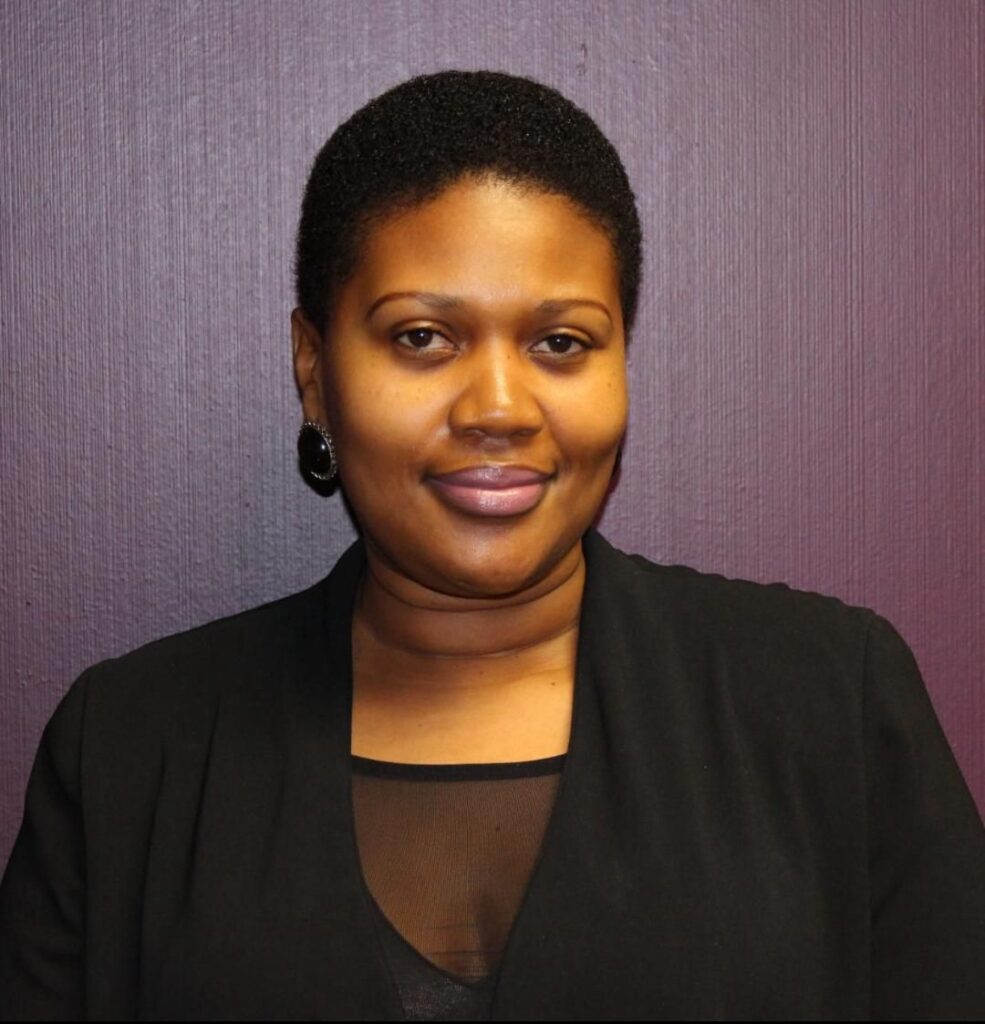
Dr. Bontle Ntshole is a healthcare strategist, aesthetic doctor, and mental health advocate. She holds an MBA, MBChB, BSc (Hons), and BSc. With a career spanning clinical practice, research, pharmaceutical, and medical aid industries, she is dedicated to improving patient care and mental health awareness within the medical field.
Fun fact: she has a unique ability—she can shape her tongue into a clover leaf!