Occupational therapy plays a vital role in healthcare, helping individuals regain independence and improve their quality of life. Whether supporting patients with physical injuries, assisting those recovering from trauma, or addressing mental health challenges, occupational therapists bridge the gap between medical treatment and functional living. In the realm of mental health, their work is particularly impactful—helping individuals develop coping mechanisms, re-engage with daily activities, and reclaim a sense of purpose. Lethabo Malatji, an occupational therapist and mental health advocate, is at the forefront of this work.
Finding Her Purpose in Occupational Therapy
Lethabo Malatji never imagined she would become an occupational therapist. At first, psychology seemed like the perfect fit, but the idea of spending her days in an office setting didn’t appeal to her. “When I heard about occupational therapy, I knew I needed to learn more,” she recalls. Shadowing professionals in the field gave her the clarity she needed—this was where she belonged. Now, as a practicing occupational therapist and mental health advocate, Lethabo’s work is a testament to her passion for holistic healing.
Her days are anything but monotonous. She divides her time between three key areas: medicolegal cases, hospital rehabilitation, and return-to-work assessments. “I work with individuals involved in Road Accident Fund claims, medical negligence cases, and other legal matters,” she explains. In hospitals, she helps patients regain function after injuries or surgeries, while her return-to-work assessments ensure individuals can safely reintegrate into the workplace.
But her role goes beyond physical rehabilitation. Mental health is a crucial aspect of her work, seamlessly woven into every patient interaction. “Fortunately, occupational therapy includes a psychiatric aspect,” she says. This integration allows her to advocate for mental health awareness while actively treating those affected by psychological challenges.
A Holistic Approach to Healing
Many people misunderstand what occupational therapy truly entails. “It’s not just about keeping patients busy,” Lethabo clarifies. “Every activity is carefully analyzed and tailored to the individual, considering their diagnosis, personal values, and therapy goals.” Occupational therapy focuses on the whole person—their ability to function in daily life, their mental well-being, and their sense of purpose.
Mental health struggles often manifest in subtle ways: difficulty with self-care, maintaining a living space, or engaging with others. “A lot of my patients struggle with taking care of themselves and their immediate environment,” Lethabo explains. “Our approach is to determine what’s important to them and then set goals that help them regain control over their lives.”
She emphasizes that mental health is just as significant as physical health, even for those without a diagnosed condition. Stress, burnout, and emotional distress can disrupt daily life, making occupational therapy a valuable tool for anyone struggling to function optimally.
Overcoming Stigma and Empowering Patients
One of the biggest challenges in mental health remains the stigma surrounding it. “If someone is bleeding, an ambulance is called immediately. But when someone is struggling mentally, we often wait until it’s critical before acting,” Lethabo says passionately. She wants society to recognize mental health struggles as valid and deserving of the same urgency as physical injuries.
One of her most memorable success stories involves a woman battling major depression. Through occupational therapy, the patient regained the ability to care for herself and, with the help of a supportive employer, returned to work. “She was placed in a different role, but the most important thing was that she didn’t lose her income,” Lethabo says. “As the breadwinner of her household, that meant everything to her.” Success stories like these fuel her dedication to the field.
Creating a Supportive Environment
Lethabo believes that workplaces and communities can do more to foster mentally supportive environments. “The most important thing is making people feel comfortable being honest about their struggles,” she says. Encouraging colleagues to check in on one another can make a significant difference. “No one is an island—we need each other. Mental health challenges should not be faced alone.”
For individuals hesitant to seek professional help, her message is clear: “There is nothing to be ashamed of if you’re struggling with mental health. We all face challenges; the difference is that some people are brave enough to ask for help. Choose to be brave.”
Supporting loved ones going through mental health difficulties doesn’t require grand gestures. “Just be there,” Lethabo advises. “You don’t have to solve anything—just listen. Remember, they’re not struggling on purpose, and they can’t just ‘snap out of it.’” Patience, understanding, and consistency go a long way in making someone feel supported.
A Life of Purpose and Passion
Outside of work, Lethabo finds joy in the great outdoors. Whether she’s hiking, bike riding, or camping, nature provides a much-needed escape from the demands of her profession. “I love being outdoors,” she shares. It’s a reminder that healing isn’t just about structured therapy—it’s also about finding spaces and activities that nourish the soul.
Through her work, Lethabo Malatji is proving that occupational therapy is more than rehabilitation—it’s about restoring dignity, fostering independence, and breaking the stigma around mental health.
About the Expert
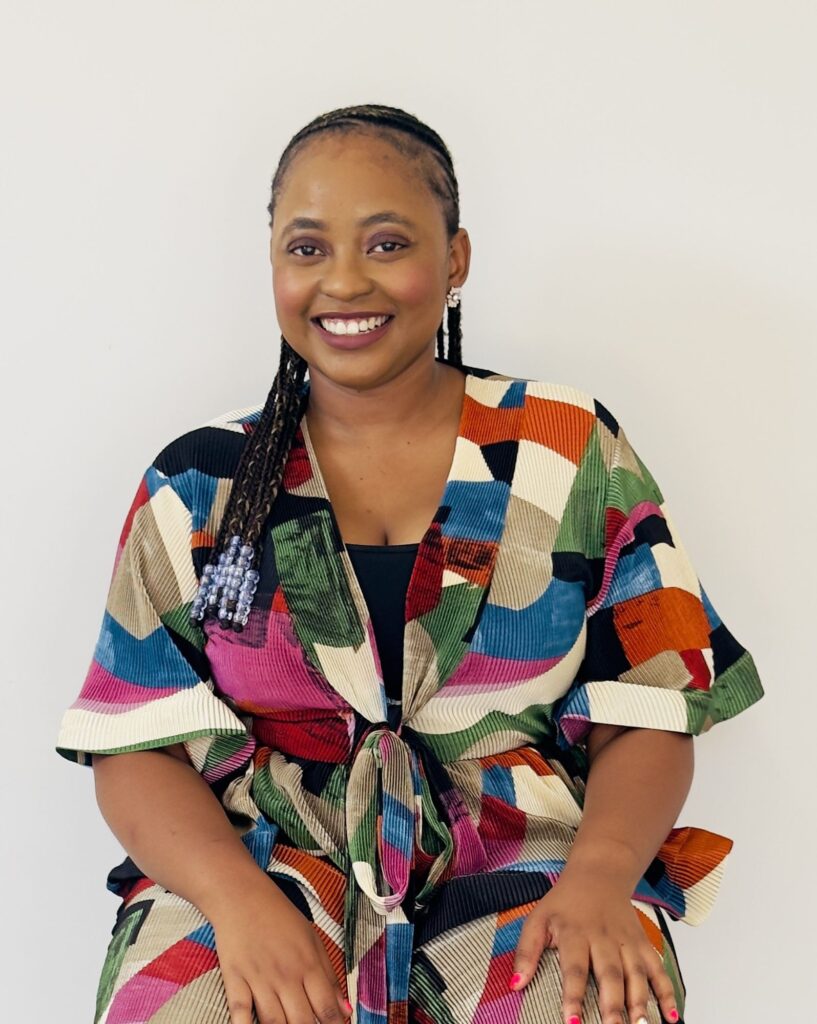
Lethabo Malatji is an occupational therapist and mental health advocate with a Bachelor of Occupational Therapy from Sefako Makgatho Health Sciences University (SMU). She specializes in medicolegal cases, hospital rehabilitation, and return-to-work assessments, helping individuals regain their independence after injury or illness.
Lethabo is passionate about raising awareness around mental health and ensuring that society treats psychological challenges with the same urgency as physical health issues.
Fun Facts:
She loves the outdoors and enjoys hiking, bike riding, and camping.
She initially wanted to study psychology but found her calling in occupational therapy.
She believes in the power of simple human connection—just checking in on someone can change a life.