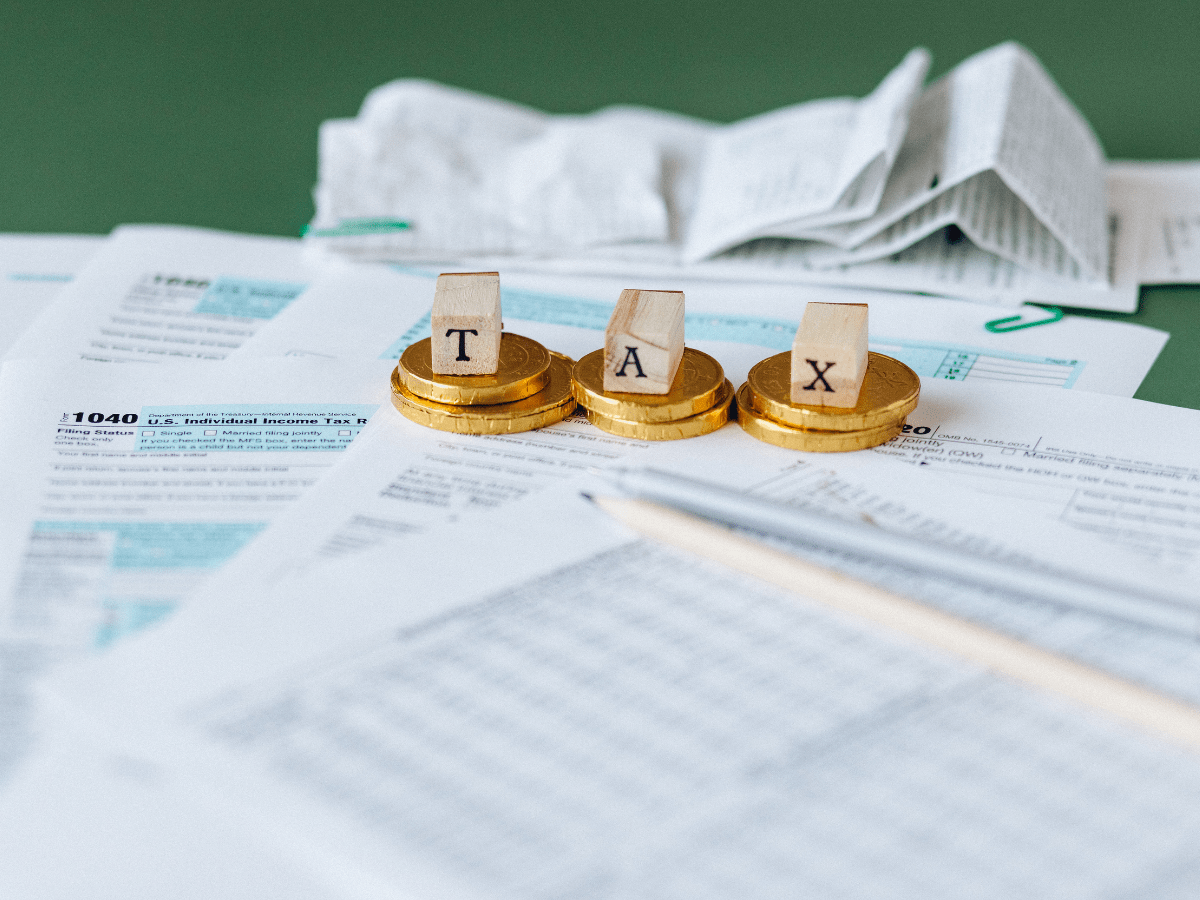
Taxes are a fundamental aspect of every nation’s economy, and South Africa is no exception. Understanding the South African tax system is essential for every citizen, as it directly impacts your financial well-being and contributes to the nation’s development. In this introductory article, we will delve into the basics of taxes in South Africa, shedding light on the key concepts, types of taxes, and the role of the South African Revenue Service (SARS).
Editorial Note: We earn a commission from partner links on Money Unscripted blog. Commissions do not affect our editors' opinions or evaluations.
The South African Tax System: An Overview
The South African tax system is designed to fund government operations, public services, and infrastructure development. Taxes are collected from individuals, businesses, and other entities to ensure the government has the necessary resources to function effectively. These funds are allocated to various sectors, including education, healthcare, social welfare, and public safety, benefiting the entire nation.
Types of Taxes in South Africa
South Africa levies various types of taxes, each with its specific rules and regulations. Here are some of the most common taxes you’ll encounter:
- Income Tax: This is perhaps the most well-known tax, and it applies to individuals, businesses, and other entities. It is based on the income earned, with different tax brackets and rates depending on your earnings.
- Value Added Tax (VAT): VAT is a consumption tax added to the price of most goods and services. It’s collected by businesses and paid to SARS. VAT is currently set at a standard rate, with certain goods and services being exempt or subject to a reduced rate.
- Capital Gains Tax (CGT): CGT is a tax on the profit earned from the sale of assets like property, investments, and businesses. There are exemptions and deductions available to reduce the tax liability.
- Property Tax: Property owners are subject to property rates and municipal taxes, which contribute to local government revenue. Additionally, when buying or selling property, transfer duty and CGT may also apply.
- Customs and Excise Duties: These taxes are levied on imported and locally manufactured goods. They help protect local industries and generate revenue for the government.
- Dividends Tax: Dividends tax is levied on the shareholders of companies when they receive dividends. The company is responsible for withholding and paying this tax to SARS.
The Role of the South African Revenue Service (SARS)
SARS is the government agency responsible for collecting taxes and ensuring compliance with tax laws in South Africa. Their primary functions include:
- Tax Collection: SARS collects taxes from individuals, businesses, and entities across the country. They also provide various services to facilitate tax compliance.
- Tax Administration: SARS administers tax legislation, sets tax policy, and ensures taxpayers meet their obligations under the law.
- Education and Enforcement: SARS educates taxpayers on their responsibilities and enforces compliance by conducting audits, investigations, and implementing penalties for non-compliance.
- Service Provision: SARS offers online services and resources to make it easier for taxpayers to file returns, make payments, and access important tax information.
Bottom Line
Taxes are a crucial part of South Africa’s economic landscape, funding essential services and public infrastructure. Understanding the various types of taxes and the role of SARS is essential for all South Africans. In the upcoming articles, we will explore each type of tax in more detail, providing you with valuable insights on how to navigate the South African tax landscape effectively. Stay tuned to learn more about income tax, VAT, capital gains tax, and many other important tax-related topics.

Our courses:
1. How to master your money mindset
3. How to build an emergency fund
5. How to create multiple streams of income
6. Investment Guide: What’s your ‘Why’ in investing