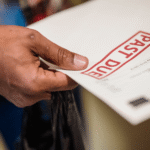
Living under the weight of debt can be overwhelming and distressing. Whether it’s credit card debt, student loans, or personal loans, the debt cycle can keep you trapped in a cycle of financial stress. However, with the right strategies and mindset, you can break free from this cycle and regain control of your financial well-being. In this article, we’ll explore steps to help you eliminate debt and reduce financial stress.
Editorial Note: We earn a commission from partner links on Money Unscripted blog. Commissions do not affect our editors' opinions or evaluations.
Face the Reality
The first step in breaking the debt cycle is to acknowledge your debt and understand its full scope. Create a comprehensive list of all your debts, including the outstanding balances, interest rates, and minimum monthly payments. Facing the reality of your debt situation is essential to developing a plan for repayment.
Create a Budget
Establishing a budget is crucial for managing your finances effectively. Outline your monthly income and expenses, including debt payments, housing, utilities, groceries, and discretionary spending. A budget helps you identify areas where you can cut back and allocate more funds toward debt repayment.
Prioritize Debt Repayment
Once you have a clear budget in place, prioritize debt repayment. Focus on paying off high-interest debts first, as they cost you the most in the long run. This may involve paying more than the minimum monthly payments to accelerate the payoff process.
Snowball or Avalanche Method
Consider using the debt snowball or debt avalanche method to tackle your debts. With the snowball method, you pay off the smallest debt first and then roll the payments into the next smallest debt. The avalanche method prioritizes paying off the debt with the highest interest rate first.
Negotiate with Creditors
Reach out to your creditors to explore options for lower interest rates or more manageable repayment terms. Many creditors are willing to work with borrowers who are proactive about resolving their debt.
Reduce Discretionary Spending
Identify areas in your budget where you can cut discretionary spending, such as dining out, entertainment, or subscription services. Redirect the money saved toward debt repayment.
Increase Your Income
Consider finding additional sources of income, such as a part-time job or freelancing, to accelerate debt repayment. The extra income can make a significant difference in paying down your debts faster.
Build an Emergency Fund
Having an emergency fund can prevent you from relying on credit cards or loans in case of unexpected expenses. Start with a small emergency fund and gradually build it up to cover 3-6 months’ worth of living expenses.
Avoid Accumulating New Debt
Commit to avoiding the accumulation of new debt while paying off your existing balances. Leave your credit cards at home, if necessary, to resist the temptation to spend beyond your means.
Seek Professional Advice
If you’re overwhelmed by your debt situation, consider consulting with a financial advisor or credit counselor. They can provide guidance on debt consolidation, repayment plans, and strategies for achieving financial stability.
Bottom Line
Breaking free from the debt cycle is a challenging but achievable goal. It requires commitment, discipline, and a well-structured plan. By facing your debt reality, creating a budget, prioritizing repayment, and exploring strategies to reduce financial stress, you can pave the way to financial freedom. Remember that progress may be gradual, but every step you take toward debt reduction brings you closer to a debt-free and financially secure future.
Our courses:
1. How to master your money mindset
3. How to build an emergency fund
5. How to create multiple streams of income
6. Investment Guide: What’s your ‘Why’ in investing