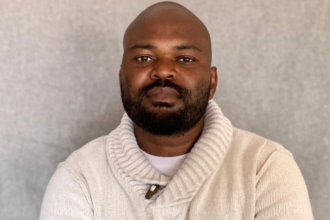
In a world where the most vulnerable are often the most overlooked, Mandisa Mtembu has committed over a decade to ensuring that every child feels safe—physically, emotionally, and psychologically. A safeguarding and child protection specialist, Mandisa is not only reshaping conversations around child safety but reengineering the systems and practices that uphold or fail to uphold it. Through her organization, Safeguarding Africa, she works alongside schools, NGOs, and community groups to embed structures of care into everyday institutions.
The Safe Place That Started It All
For Mandisa Mtembu, safeguarding isn’t just a profession—it’s personal. Raised by her grandparents in a home that embodied safety and emotional warmth, her journey into child protection began with the everyday acts of care she witnessed as a child. “I always felt safe with them,” she reflects. “Physically, they protected us, and emotionally, they made sure we knew we were wanted, loved, and heard.” Her grandmother, without necessarily knowing the language of emotional intelligence, lived it. From establishing rules to prevent accidents in the kitchen to offering warm hugs and reassuring words, she created a haven. That experience became the foundation Mandisa would later replicate in schools, youth programs, and community systems across Africa.
Psychology and Purpose
At just sixteen, Mandisa knew she wanted to work in a field that blended care with understanding. Initially considering medicine or social work, she found her calling in psychology, drawn to its unique ability to bridge individual experiences with broader community impact. “Psychology deals with physical health, but also someone’s social experiences,” she explains. This dual lens helped shape her approach, which prioritizes the interconnectedness of children’s lives—at school, home, and within their communities. Rather than working with individuals in isolation, she commits to systems-wide transformation. “If you work with one person at a time, you are choosing the long and hard way. But if you work with groups, with communities, you’re creating lasting impact.”
What It Means to Be a Specialist
Mandisa identifies as a safeguarding and child protection specialist—not just a strategist. “A specialist is someone who has spent a lot of time on a subject and becomes highly skilled at it,” she clarifies. Her focus is deeply entrenched in ensuring that the environments young people inhabit—be it school grounds, homes, or aftercare facilities—are structured around protection, support, and dignity. Her work is proactive and intentional, aiming not just to respond to crises but to build resilience and safety into every touchpoint of a child’s world.
The Weight of Betrayal
Despite years of experience, Mandisa shares that hearing stories of abuse—especially at the hands of trusted adults—never gets easier. “You can see in the child’s eyes… that this person has broken their trust.” The emotional toll is real. What’s equally disheartening is the defensiveness from adults when confronted with the harm they’ve caused, even unintentionally. “There’s so much shame attached with hurting a young person that people don’t want to own up to it. But we’re not perfect. We make mistakes.” For Mandisa, the path to healing and prevention lies in embracing that imperfection and seeking support.
From Burnout to Boundaries
After more than a decade of intense fieldwork, Mandisa hit a wall. “I felt extremely burnt out,” she admits. But rather than quitting altogether, she chose rest. She stepped back, recharged, and returned with new clarity. This pause was necessary—not just for her well-being, but to sustain the work long-term. Today, Mandisa practices what she preaches: building environments that care for the caregiver too.
Embedding Safeguarding Into the System
Mandisa and her organization, Safeguarding Africa, don’t just talk policy—they help build it. Schools and NGOs often reach out when they realize their safeguarding practices are verbal or informal. Her team steps in to document, customize, and implement comprehensive safeguarding frameworks that reflect the values and practical needs of each institution. From policy writing and staff training to creating visual reminders—“like a poster that says, ‘Have you checked in on a young person today?’”—they embed protection into daily culture. “Whether you’re a teacher or the cleaning staff, you need to know how to safeguard,” she emphasizes. “It’s not just the work of professionals—it’s everyone’s responsibility.”
Safeguarding vs. Mentorship
Mandisa makes a vital distinction: “Safeguarding is the foundation. Before you mentor a child, before you teach or care for them, you must first adopt safeguarding principles.” It’s the base from which all other roles and responsibilities must operate. Only when a child is safe—physically, emotionally, and psychologically—can development and growth truly flourish.
Access and Empowerment
Training with Safeguarding Africa is open to everyone. “Whether you’re just one person or an entire organization, we will train you,” Mandisa assures. While their website is under construction, they remain accessible via LinkedIn and Instagram. Importantly, their model is adaptable, offering both virtual and in-person options. The goal? “To empower adults to keep children safe—and to build systems that don’t need us to be present all the time.”
Building a Movement
Safeguarding Africa was born from a need to scale impact. As a school-based practitioner, Mandisa could only reach the children within her employment circle. “It limited me. I wanted to be accessible to more young people.” Today, as a consultant and co-founder, she collaborates with a network of skilled contractors to deliver support across schools and communities. The organization’s name is intentional: Safeguarding Africa—a continental vision grounded in care, education, and empowerment.
Platforming the Work: The Safeguarding Africa Podcast
When traditional platforms wouldn’t give her a voice, Mandisa created her own. The Safeguarding Africa Podcast spotlights the stories and expertise of others doing similar work—from psychologists and educators to youth mentors and activists. “It’s not just about us,” she explains. “It’s about saying: there’s a whole ecosystem of people protecting and empowering children.” Upcoming guests include a mental health advocate from São Tomé and Príncipe and a refugee-turned-author with a powerful story of resilience.
What the Young Teach Us
Years of peer counseling and youth engagement have shaped Mandisa’s philosophy. Young people, she’s learned, will tell you exactly what they need—if you listen. Across South Africa, Kenya, and Mauritius, her work has confirmed that the basics remain universal: safety, trust, and a sense of being seen. “Children know when something feels off. They need consistency, honesty, and adults who can admit they don’t have all the answers.”
Taking Care While Caring for Others
The emotional demands of safeguarding are high. Mandisa stays grounded through personal boundaries, peer support, and periods of rest. “You can’t pour from an empty cup,” she reminds herself—and others in the field. Longevity in child protection requires not just passion, but sustainable practices.
Reimagining Institutional Power
If given the chance to address every school principal and community leader on the continent, Mandisa would challenge them to take safeguarding seriously—not just as a policy, but a daily practice. “We need to embed safeguarding into the DNA of our institutions,” she insists. Her vision for the future is clear: institutions that don’t just react to harm, but are built to prevent it—spaces where children are not just protected, but genuinely empowered.
A Legacy of Safety and Trust
Ultimately, Mandisa hopes her legacy is measured in how young people feel when they encounter her work: safe, heard, and empowered. “If they can say, ‘I was safe there. I was seen there,’ that’s enough.” Her message is a call to action for all adults: protection isn’t optional—it’s foundational. It’s the work of heart.
🎧 Listen to the full Conversation
This story comes alive in our Living With edition on the In Conversation podcast. Hear Mandisa speak about her childhood, her work across borders, and the real stories behind building a culture of safety.