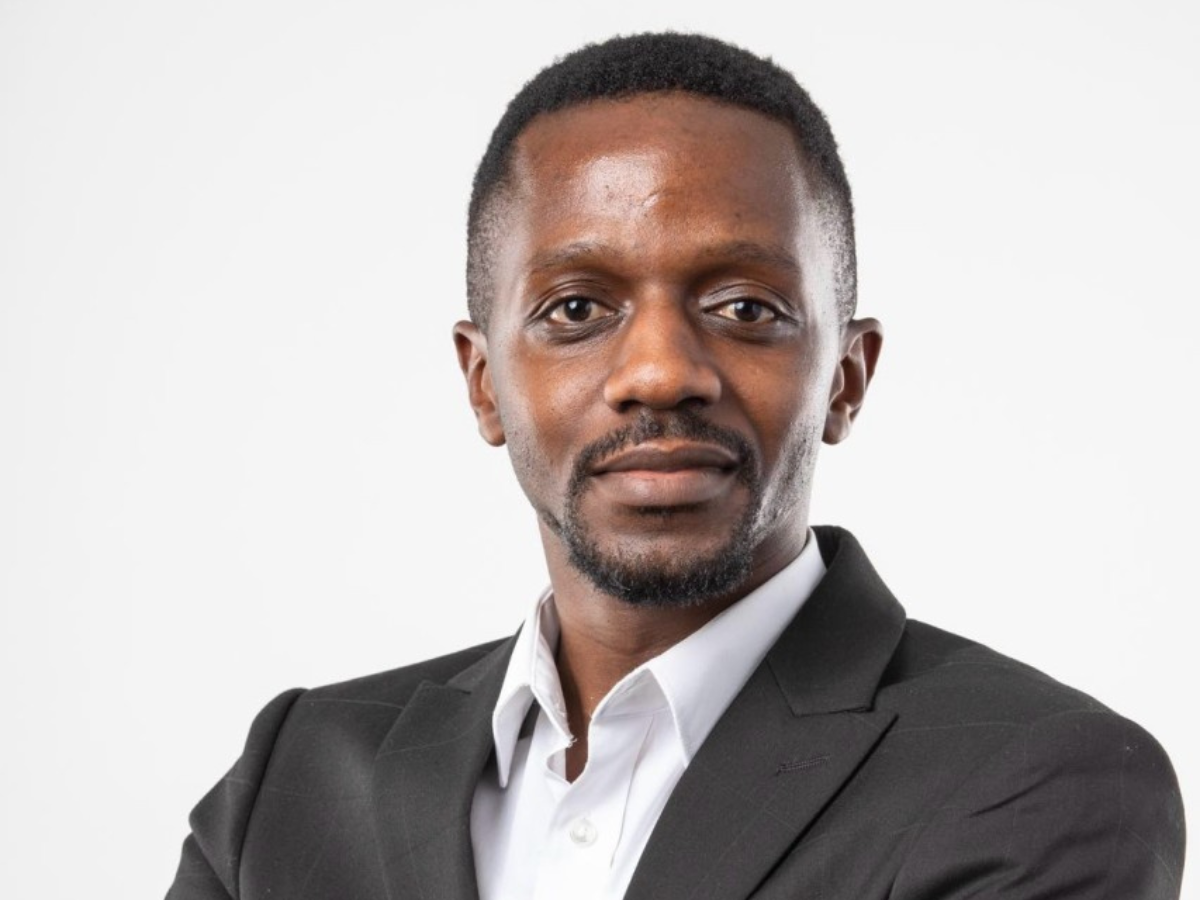
Taxes are one of those things most people avoid until they absolutely have to deal with them. For many, the word alone feels intimidating, confusing and heavy. But for Lesetja Makhura, tax is not just a technical field. It is a space where business, law, strategy and public impact all meet.
Behind the CA(SA) title is someone who enjoys family time, hiking, football and Formula One, but also someone who has built a career helping people and businesses understand that tax should not only be feared. It should be understood. In conversation, Lesetja opened up about his journey, the discipline it took to qualify as a Chartered Accountant, and how working across SARS, Absa and the IDC helped shape the way he sees tax today.
A Journey that Started with Ambition and Curiosity
Lesetja comes from a rural village in Limpopo, a place where careers like Chartered Accountancy were spoken about more as distant ideas than tangible realities. Growing up, he knew he was drawn to business, but like many young people, he was still figuring out what route made the most sense.
When he looked at the available options, the CA path stood out. It was challenging, respected and deeply connected to the business world he was already interested in. He chose the route, secured funding for his studies and committed himself fully to the process. That decision would become one of the biggest turning points of his life.
When he reflects on his journey so far, the achievement he is most proud of is qualifying as a CA(SA). Not only because of what the title represents academically and professionally, but because of what it meant personally. It was proof that someone from his background could enter a demanding profession, complete the process and build a meaningful career from it.
The Reality Behind the CA Route
In many conversations about chartered accountancy, people hear about board exams without fully understanding what they involve. Lesetja explained this in a way that made the journey feel more human and practical.
The first board exam comes soon after university, when the academic material is still fresh. It is technical, intense and requires discipline, but it is still closely tied to what students have learned in undergrad and honours. The second board exam, written much later during articles, is a different challenge entirely. It tests something deeper. It asks whether you can think like a professional, apply knowledge in real-life business scenarios and move beyond theory.
That shift, from student to professional, is what stood out in his explanation. It showed that becoming a CA is not only about memorising content. It is about growing into judgment, strategy and responsibility.
Falling into Tax and Staying Because of its Complexity
Interestingly, tax was not Lesetja’s first love. At the beginning of his studies, he imagined himself moving into investments and perhaps pursuing the CFA route. But as he progressed academically, tax began to stand out.
What drew him in was its complexity. Tax is not simply about percentages and submissions. It is rooted in legislation, interpretation and constant change. Two people can read the same law and understand it differently. That is why case law matters. That is why tax remains dynamic. That is why it demands both technical skill and critical thinking.
For Lesetja, tax became interesting because it revealed itself to be far bigger than what most people assume. It was not just VAT or corporate tax. It was a field with moving parts, commercial consequences and real-world impact.
Learning Tax from Both Sides
One of the strongest themes in Lesetja’s story is perspective. He has worked on the regulatory side at SARS, and on the business side at both Absa and the Industrial Development Corporation. That dual exposure gave him a fuller understanding of how tax works in real life.
At SARS, he saw what compliance looks like from the regulator’s point of view. He learned what auditors focus on, what documentation matters and what red flags are likely to attract attention. He also saw how businesses are assessed when things go wrong.
Then he moved into the private sector and saw an entirely different reality. He realised that responding to SARS is rarely as simple as it looks from the outside. Information does not always sit neatly in one place. Large organisations have multiple teams, systems and decision-makers. What seems like a straightforward request can actually require input from several departments before a full answer can be given.
That experience deepened his understanding. It also made him a better advisor. He now approaches tax with both the regulator’s lens and the business lens in mind.
What his Role Looks like Today
Today, Lesetja works in a role that sits at the intersection of tax, strategy and investment. At the IDC, he helps structure transactions in a way that is tax efficient, commercially sensible and legally compliant.
His work can involve reviewing funding proposals, advising on whether an investment should be structured as debt or equity, assessing cross-border transactions, engaging legal teams and preparing technical opinions for internal decision-making. No two days are the same, and that is part of what makes the role interesting.
In simple terms, he helps ensure that tax does not become an expensive surprise later. When companies invest, merge, restructure or expand, tax sits quietly in the background of those decisions. His job is to bring it into the room early enough for it to be handled properly.
Why Tax Matters More than People Think
Throughout the conversation, Lesetja returned to one idea again and again: tax should not be treated as an afterthought.
Too often, businesses focus only on the deal, the growth or the operations, and then look at tax once everything is already done. By that point, the room for good planning is smaller, and the costs of mistakes are higher. Penalties, interest, disputes and reputational damage can all follow when tax is ignored early on.
He believes companies do not usually get into trouble because they are trying to break the law. More often, it is a result of poor planning, weak documentation or a simple lack of knowledge. That is why his advice is so consistent. Involve tax early. Document everything. Build compliance into the strategy from day one.
Advice for young people considering tax
For anyone interested in building a career in tax, Lesetja recommends developing an open mind and a willingness to keep learning. Tax law changes constantly, and anyone entering the field has to be comfortable with that reality.
He also believes the best place to begin is often in audit or accounting firms, where young professionals can gain exposure to different industries, different clients and different business problems. That kind of environment builds both technical depth and practical understanding.
His journey shows that careers do not always begin with certainty. Sometimes you discover your lane by staying curious, doing the work and being willing to grow into what challenges you.
A Career Built on Clarity and Contribution
Lesetja Makhura’s story is a reminder that some of the most powerful careers are built in spaces many people overlook. Tax may not sound glamorous at first, but in the hands of someone who understands its purpose, it becomes much more than compliance. It becomes a tool for structure, strategy, accountability, and national development.
And perhaps that is what makes his journey so relevant for young audiences. He is not just working in tax. He is helping people understand that the systems we fear often make more sense when someone takes the time to explain them well. From rural Limpopo to high-level investment structuring, his path reflects what can happen when ambition meets discipline and knowledge is used to create clarity for others.
Tax may never become everyone’s favourite topic. But through voices like his, it can at least become something people understand a little better.