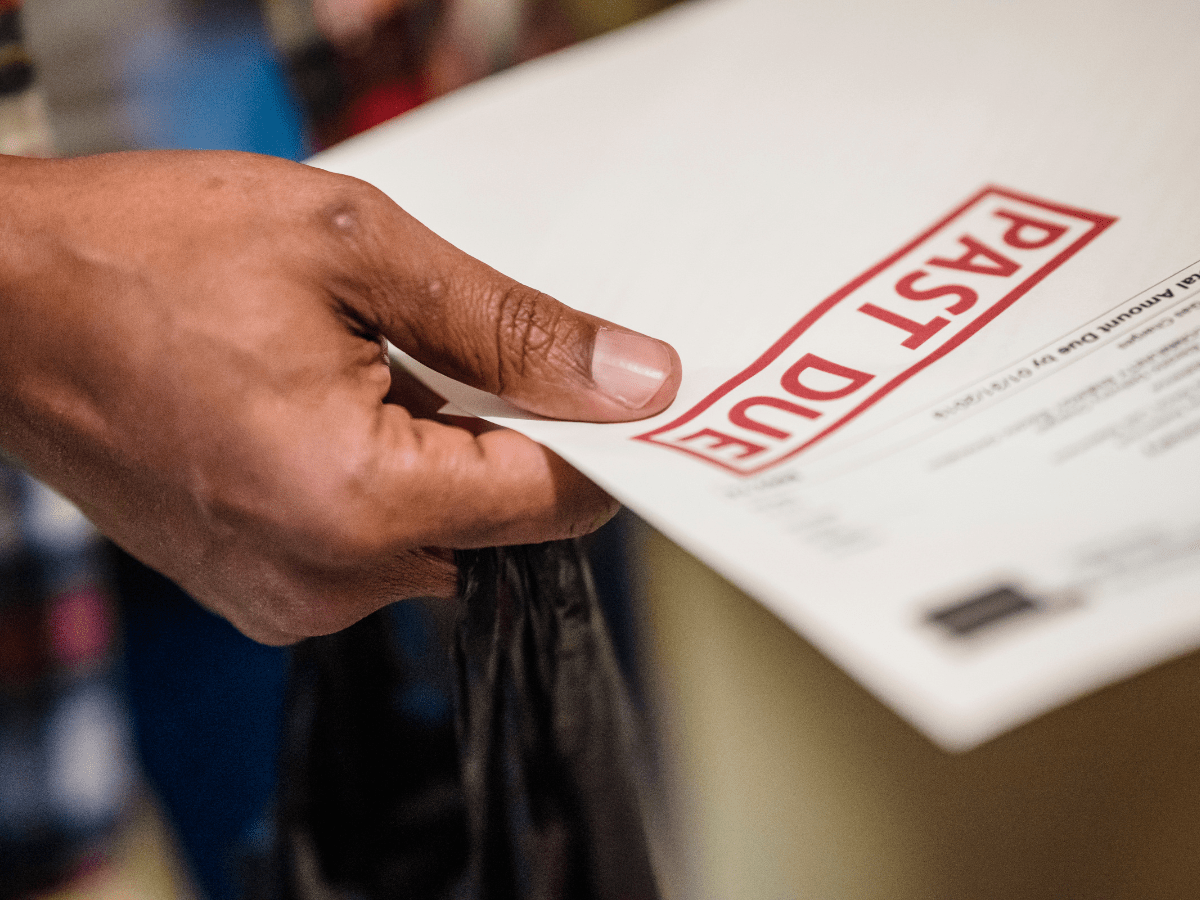
Debt is a financial concept that touches the lives of most people at some point. While we’ve introduced the idea of debt in our previous article, this article will delve deeper into the fundamental concepts of debt. We’ll explore the differences between good and bad debt, the role of interest rates, and why it’s crucial to understand these basics for your financial well-being.
Editorial Note: We earn a commission from partner links on Money Unscripted blog. Commissions do not affect our editors' opinions or evaluations.
Good Debt vs. Bad Debt
Not all debts are created equal. Debt can be broadly categorized into two main categories: good debt and bad debt.
Good Debt: Good debt is typically associated with investments that have the potential to increase your wealth or improve your financial well-being over time. Examples of good debt include:
- Mortgage: Taking out a mortgage to buy a home is often considered good debt because it allows you to build equity in a property. Over time, as the property’s value increases and you pay down the mortgage, you may end up with a valuable asset.
- Student Loans: Borrowing money to invest in your education can be a smart move. A college degree or specialized training can lead to higher earning potential in the long run.
- Business Loans: Entrepreneurs may take on debt to start or expand a business. If the business is successful, the return on investment can outweigh the cost of borrowing.
Bad Debt: Bad debt, on the other hand, typically refers to debt that does not contribute to your financial well-being and often comes with high-interest rates or unfavorable terms. Examples of bad debt include:
- Credit Card Debt: Carrying a balance on your credit card from month to month is one of the most common forms of bad debt. The high-interest rates on credit cards can lead to substantial interest charges over time.
- Payday Loans: These short-term, high-interest loans can trap borrowers in a cycle of debt and are generally considered one of the worst forms of debt.
- Consumer Loans for Depreciating Assets: Borrowing to purchase items like luxury goods or a new car, which lose value quickly, can be detrimental to your financial health.
Understanding the difference between good and bad debt is the first step in making informed financial decisions. While good debt can potentially improve your financial situation, bad debt can hinder your progress and lead to financial stress.
Debt Interest Rates
Interest rates play a crucial role in the cost of debt and, consequently, your financial well-being. When you borrow money, you are essentially paying for the privilege of using someone else’s funds. The interest rate is the cost you incur for borrowing that money. Here’s what you need to know about interest rates and debt:
- Fixed vs. Variable Interest Rates: Some loans have fixed interest rates, which remain the same throughout the loan term. Others have variable rates that can change over time. Fixed rates provide predictability, while variable rates can fluctuate with market conditions.
- Compound Interest: Most loans, especially credit card debt, accumulate interest through compound interest. This means you pay interest not only on the original amount borrowed (principal) but also on the interest that has already accrued. Over time, this can significantly increase the total cost of your debt.
- Annual Percentage Rate (APR): The APR is a standardized way to compare the cost of loans. It includes not only the interest rate but also any fees associated with the loan. When comparing loans, pay attention to the APR to get a more accurate picture of the total cost.
Bottom Line
Managing the interest rates on your debt is a crucial part of debt management. Reducing high-interest debt and seeking lower-interest alternatives can save you money and help you get out of debt more quickly.
In our next articles, we will delve deeper into practical strategies for calculating and tracking your debt, understanding your credit score, and effectively managing different types of debt.

Our courses:
1. How to master your money mindset
3. How to build an emergency fund
5. How to create multiple streams of income
6. Investment Guide: What’s your ‘Why’ in investing