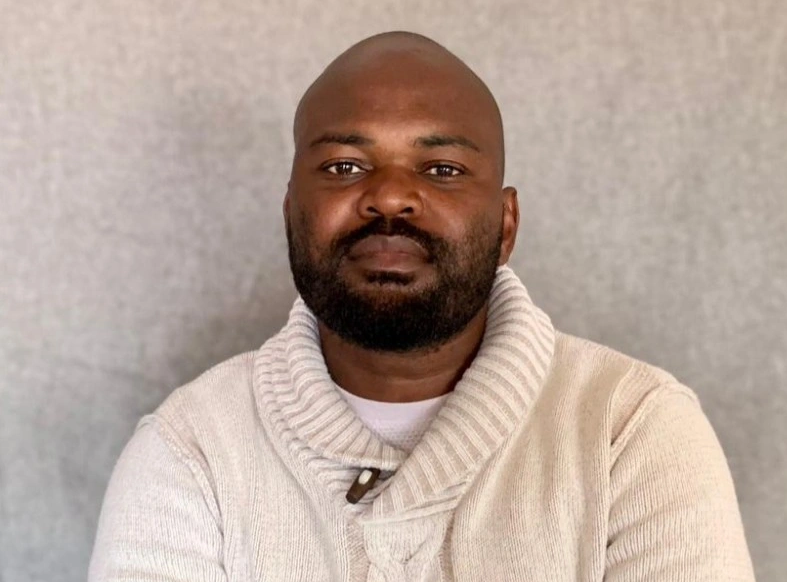
In a world that feels louder, faster, and more overwhelming by the day, mental wellness has become one of the most urgent conversations of our time. Yet behind every conversation, there are people doing the quiet, difficult, and transformative work of helping others heal. One of those people is Edwin Silinda—a man whose career cuts across nursing, case management, and mental health support. His story begins in hospital hallways filled with urgency and ends in therapy rooms where silence has the power to save lives.
From Nursing to Mental Health: Where the Journey Began
Edwin’s path into mental health began in hospital corridors. As a trained nurse working in high-pressure, fast-paced environments, he quickly realised that healing was never just physical. Patients often came to him not only for medical care, but for comfort, clarity, and someone who would truly listen. Those conversations—quiet, vulnerable, and deeply personal—revealed a truth that would change his career trajectory: the body can heal, but if the mind is neglected, true recovery remains incomplete.
“Nursing isn’t just healing the body,” he explains. “It’s deep. The mind also needs treatment.”
Nursing gave Edwin a strong foundation in anatomy, physiology, and patient care, but mental health gave him purpose. It allowed him to treat the whole person. The moment it “clicked” for him was not a single event, but a growing awareness that the mind and body are inseparable, especially in moments of crisis. That realisation pushed him beyond hospital walls and into broader healthcare spaces where mental wellness could be addressed more intentionally.
“So I realised I could treat the body,” he says, “but we also need to treat the mind.” That realisation led him into mental wellness work, where he found his purpose.
Seeing the Full Picture of a Patient
Working both inside and outside of hospital settings fundamentally shaped how Edwin understands mental wellness. In hospitals, decisions must be made quickly. The environment is intense and reactive. Outside of hospitals—working with families, employers, and support systems—the pace is slower, but the emotional weight is heavier. Experiencing both worlds allowed Edwin to see patients in their entirety.
“When you work in hospital, you’re dealing with emergencies,” he says. “When you’re out of hospital, you deal with families. You need to understand both worlds.”
He learned that healing does not stop when a patient is discharged. Mental health continues long after physical treatment ends. By combining clinical knowledge with managed care experience, Edwin gained a full-picture understanding of how illness affects not just individuals, but their families, work performance, relationships, and emotional stability.
Why Mental Health Is Still Not Taken Seriously
One of the most sobering realities Edwin highlights is how overlooked mental health remains. Despite its impact on decision-making, relationships, sleep, and overall quality of life, mental health is often treated as secondary—something to be addressed only when it reaches a crisis point.
Edwin believes a healthy mind is the foundation of everything. Without it, positive thinking becomes difficult, sleep suffers, emotions feel overwhelming, and life feels unmanageable. Yet many people still hesitate to seek help, often because emotional symptoms are not treated with the same urgency as physical ones. He argues that mental health should be approached the same way we approach physical illness: early recognition, immediate support, and proactive care.
For Edwin, mental health deserves the same urgency as physical health. “If you have flu, you go get medication,” he says. “Why don’t we treat emotional symptoms the same way, as soon as we see the signs?”
Mental Wellness in a Fast, Noisy World
In a world driven by pressure, deadlines, and constant noise, Edwin defines mental wellness as the ability to stay grounded. It is not about being happy all the time, but about balance, awareness, and empathy—both for yourself and others. Mental wellness requires recognising that people are carrying invisible battles, even when the world demands productivity and performance.
“It’s not about being happy all the time,” he says. “It’s about staying grounded and recognising how other people feel.”
For Edwin, part of staying mentally well is acknowledging how others feel and recognising their needs. When society becomes too rushed to care, mental health suffers collectively.
Men, Mental Health, and the Cost of Silence
A powerful part of this conversation centres on men’s mental health. Edwin is clear: men are struggling, and many are struggling in silence. Cultural expectations have conditioned men to suppress emotions, avoid vulnerability, and equate expression with weakness. This silence, he explains, often manifests as anger, substance use, violence, and emotional detachment.
Mental health affects a lot of men,” he says, “but society has made us believe we must not speak out.”
He connects unresolved mental health issues to broader societal challenges, including gender-based violence. When emotions are bottled up and never addressed, they find destructive outlets. Edwin stresses that men need safe, professional spaces where they can speak openly without judgement—spaces that currently remain limited or non-existent.
Why Professionals Matter More Than Peer Advice
While friendship and community matter, Edwin cautions against relying solely on peers for emotional guidance. Friends are often biased, emotionally invested, or untrained to navigate complex mental health issues. Professional support offers objectivity, accountability, and deeper insight—especially when individuals are unable to see their own blind spots.
“You need a professional to assist a broken man,” he says.
Mental health assessment, he explains, requires skill. A professional can identify patterns, underlying causes, and emotional defence mechanisms that casual conversations often miss.
Forgiveness: The Most Powerful Tool for Healing
Forgiveness is a recurring theme in Edwin’s philosophy of mental wellness. He describes it as one of the most powerful tools for healing—not because it excuses harm, but because it frees the person who has been hurt. Forgiveness creates mental and emotional space, allowing individuals to release the weight of resentment and stop protecting old wounds.
“Forgiveness sets you free,” he says. “Not the person who hurt you — you.”
Importantly, forgiveness does not mean reconciliation. Some people can remain in your life; others must be released. What matters is the internal shift—from carrying pain to choosing peace. Edwin believes that every heartbreak can be forgiven, not for the other person, but for your own healing and growth.
The goal is peace, not proximity.
Family, Support Systems, and Emotional Safety
“Family is everything,” he says.
Family, whether biological or chosen, plays a critical role in mental well-being. Edwin describes family time as nourishment for the mind, much like food nourishes the body. Being around people who listen without judgement can significantly reduce emotional pressure and restore balance.
“Family time feeds the mind,” he explains, “the same way food feeds the body.” And family does not have to be biological. “As long as you feel safe,” he says, “that’s family.”
For those without supportive families, Edwin emphasises the importance of supportive friendships and, where those are lacking, therapy. Healing still requires connection, even if it comes from professionals rather than relatives.
Therapy, Stigma, and African Cultural Beliefs
Edwin addresses the stigma around therapy within African communities, where it is often associated with being “crazy” or mentally unstable. He challenges this belief, explaining that therapy is not meant to fix people, but to guide them. Healing still requires personal effort; therapy simply provides direction, tools, and perspective.
He strongly believes that everyone needs therapy at some point—not because they are broken, but because growth requires guidance.
“We all need therapy,” he adds. “It’s there to help us better ourselves.”
Mental Health in the Workplace
As mental health becomes a more prominent workplace topic, Edwin believes companies can do more by opening dialogue. Creating safe spaces for conversation allows organisations to identify employees who need support before burnout occurs. He highlights the importance of early intervention, understanding behavioural changes, and removing stigma around therapy referrals.
“You can see it,” he explains. “Someone is always tired, always irritated — that person needs help.” Creating safe spaces at work reduces stigma and improves both well-being and productivity.
Mental wellness, he notes, directly impacts productivity, teamwork, and long-term performance.
Anxiety, Stress, and Early Warning Signs
Anxiety often goes unnoticed until it escalates. Edwin highlights subtle warning signs such as persistent fatigue, sleep disturbances, unexplained headaches, muscle tension, chest tightness, and irritability. Anxiety, when untreated, can escalate into chronic stress, affecting focus, memory, and emotional regulation.
“You can sleep nine hours and still wake up tired,” he says. “That’s a sign.”
He explains the progression clearly: “You first have anxiety. If you don’t treat it, it escalates to stress.” Stress then affects focus, memory, and emotional stability.
Boundaries: Protecting Your Mental Space
If you don’t set boundaries,” Edwin says, “you overwork yourself.”
One of Edwin’s most practical lessons centres on boundaries. Without boundaries, people overextend themselves emotionally, financially, and physically. Setting limits—especially around work, time, and money—is essential for mental health. You cannot pour from an empty cup, and constantly sacrificing yourself for others leads to burnout and resentment.
Boundaries are not selfish; they are protective.
What Do You Do for a Living?
If a five-year-old asked Edwin what he does, his answer would be simple: “I treat the body and the mind.” Because a healthy body with a broken mind is incomplete, while a healthy mind can support healing even when the body is struggling.
For those interested in his line of work, Edwin encourages starting with nursing—a broad, foundational career that opens doors into multiple healthcare specialties, including mental health, forensics, law, and managed care.
One Life. Make It Count.
Edwin’s closing message is profound: live the life you love, and love the life you live. He reflects on the idea that we all have two lives—and the second begins when we realise we only have one. Awareness changes everything. It shifts how we eat, work, love, and care for our minds.
Mental health, he reminds us, is not a destination. It is a daily practice, a conscious choice, and sometimes a fight. But it is always worth it.