In today’s fast-moving, digital-first world, brands are no longer just defined by what they sell, but by how they are perceived. Behind every trusted brand, every headline, and every carefully crafted message is a discipline that often goes unnoticed — public relations.
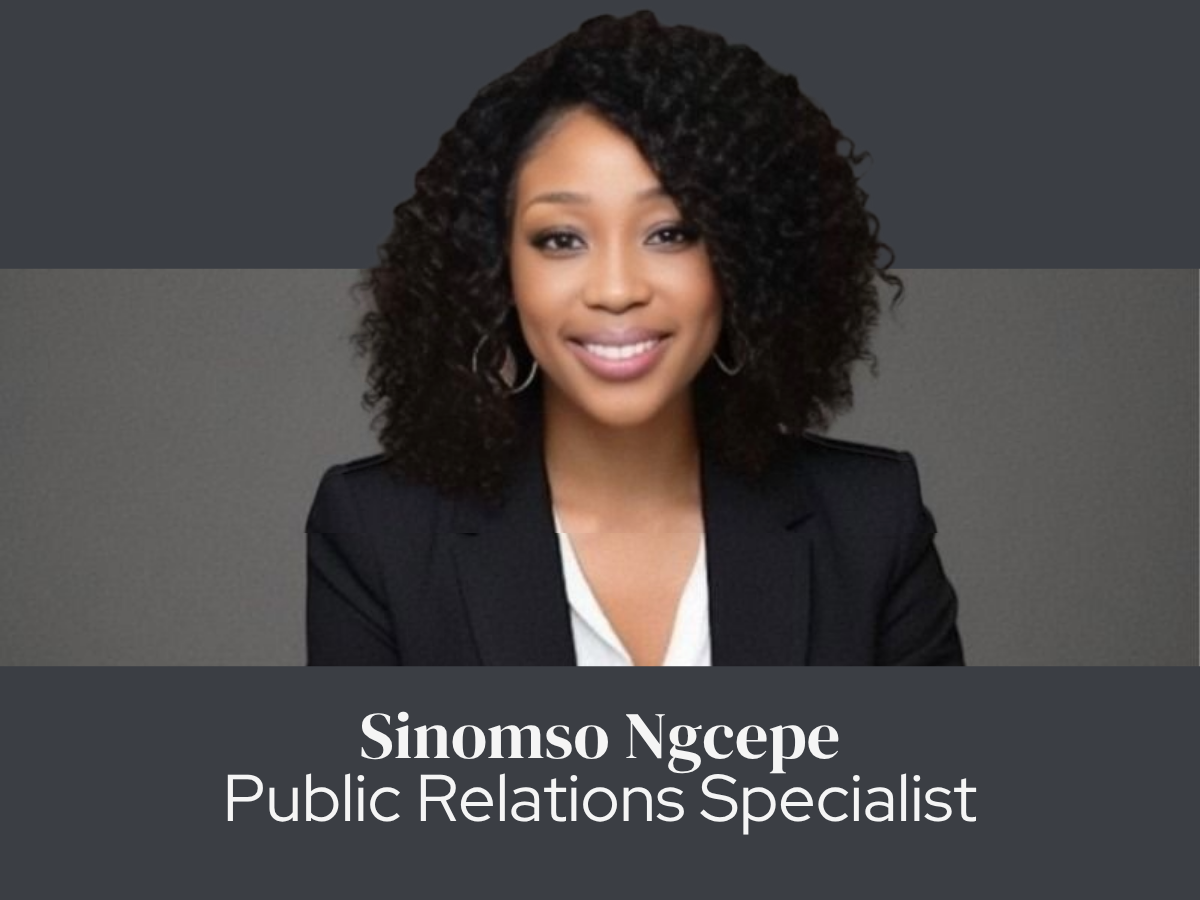
In this edition of In Conversation, Sinomso Ngcepe takes us inside the world of PR, offering a grounded, practical look at what it really takes to build a brand, manage reputation, and navigate an industry that is both dynamic and deeply human.
PR is more than publicity
One of the strongest insights from Sinomso’s conversation is that public relations is often misunderstood. Many people reduce it to events, media appearances or getting coverage, but she explains that PR is really about brand awareness and reputation management. It is about making sure people know who a brand is, what it stands for and why it matters.
From her perspective, PR is the reason people come to understand certain brands as credible, trustworthy and relevant. It gives shape to a brand narrative. It helps the public connect the product or service to something bigger, whether that is expertise, trust, thought leadership or value.
She also makes an important distinction: PR is not instant. It is not a case of do something today and expect results tomorrow. Trust takes time. Credibility takes time. And the work of building that reputation happens quietly and consistently in the background.
Why brands need more than social media
In today’s digital world, many businesses assume that a good Instagram page or a few paid ads are enough to build a brand. Sinomso challenges that idea. Social media can create visibility, and advertising can drive leads, but PR helps build meaning around a brand.
She uses the example of brands that may look exciting online, but still need a deeper communications strategy behind the scenes. Someone still has to shape the public story, engage the media, position the experts, prepare interviews and manage public understanding. Someone has to answer the question: what does this brand stand for, and why should people trust it?
That is where PR becomes essential. It helps audiences understand not just what a brand is selling, but who the brand is. For businesses that want to last, that distinction matters.
Brand building starts with strategy
Another major takeaway from Sinomso’s perspective is that PR is deeply strategic. She does not see strategy and execution as separate things. For her, everything begins with strategy.
Before a press release is drafted, before an interview is arranged, before a campaign goes live, there has to be a clear plan. Who is the audience? What is the message? Which media platforms make sense? Which angle is most relevant? What kind of story will connect?
This is one of the most valuable industry insights for brands. A strong brand is not built by random activity. It is built by intentional communication. That means knowing what you want people to think, feel and understand about your business, then consistently aligning your messaging with that outcome.
Media relations is still a powerful brand-building tool
Sinomso speaks passionately about media relations, and it is easy to see why. In her view, relationships with the media remain one of the most important parts of PR. Not because of favouritism or influence, but because relevant, respectful relationships help brands get their stories to the right audiences.
She explains that good media relations are built on mutual value. A PR professional brings a story that is useful, timely and relevant to a journalist’s audience. In return, the journalist may provide coverage that helps the brand reach the public in a credible way. It is not about pushing content everywhere. It is about understanding the media landscape and making thoughtful, targeted decisions.
For brands, this offers a useful lesson: coverage alone is not the goal. Relevance is. A brand grows stronger when its story appears in the right places, through the right voices, in a way that feels natural and trustworthy.
Poor pitching weakens strong stories
One of the more practical industry lessons from Sinomso’s interview is her view on pitching. She believes one of the biggest mistakes in PR is sending out stories without properly tailoring them to the person receiving them.
A generic pitch, an irrelevant press release or a rushed follow-up can damage relationships and reduce the chance of meaningful coverage. For her, strong pitching is not just about sending information. It is about explaining why that story matters, why it is suitable for that particular journalist and what value it brings to their audience.
This matters for brand-building because how a brand communicates with gatekeepers also affects how it is perceived. Brands that are thoughtful, relevant and respectful in their outreach are more likely to be taken seriously.
Reputation is one of a brand’s most valuable assets
If PR helps build a brand, reputation is what holds that brand together. Sinomso returns to this point often. She makes it clear that a brand’s reputation can take years to build and only moments to damage.
That is why she sees crisis communication as a critical part of brand strategy. A crisis is not only about what went wrong. It is also about how a brand responds when trust is under pressure. She stresses the importance of being proactive, monitoring issues early and addressing concerns before they grow into something bigger.
When a crisis does happen, she believes speed and accuracy must work together. Brands cannot afford to be silent, but they also cannot afford to be careless. The response must be fast, factual, empathetic and aligned with the brand’s values.
This is one of the clearest lessons for businesses: a strong brand is not only revealed in its best moments. It is also revealed in how it handles difficult ones.
Not every trend deserves your brand
Another valuable insight from Sinomso is that brands do not need to speak on everything. In an era where businesses are often pressured to join every trend, every conversation and every viral moment, she argues for more restraint.
A brand should know its audience, know its identity and know when it makes sense to have a voice. Jumping onto every trend can weaken a brand if the moment does not align with what the brand stands for. Sometimes the stronger move is to sit back, stay focused and protect the integrity of the brand.
This is especially important for young businesses trying to grow quickly. Relevance matters, but forced relevance can be damaging. A memorable brand is not one that says everything. It is one that says the right things, at the right time, to the right people.
PR, marketing and advertising are connected, but different
Sinomso also offers a useful breakdown of the difference between PR, marketing and advertising. In her view, marketing and advertising are more directly tied to leads, conversions and paid campaigns. PR, on the other hand, operates from an earned perspective.
That means PR focuses less on direct selling and more on reputation, awareness and public understanding. It helps shape perception rather than simply push a transaction.
Still, she is clear that these functions should work together. A brand needs alignment across all its communication channels. The messaging should feel connected, even if the objectives differ. This is an important reminder for businesses: brand-building is strongest when departments do not operate in silos.
What small businesses can learn from PR
Sinomso’s advice is especially useful for entrepreneurs and smaller brands that may not have massive budgets. She encourages businesses to think carefully about where they need support. Is it brand awareness? Media relations? Executive profiling? Reputation management?
Rather than trying to do everything at once, she suggests taking it step by step. A business can upskill an internal team member, work with a freelancer or consult with an agency depending on its needs and resources. But the bigger point is this: PR should not be seen as something only large brands can afford to care about.
Even growing businesses need to think about how they are perceived, how they communicate and what trust they are building in the market.
The future of PR is still human
As the media landscape shifts, Sinomso acknowledges the rise of digital platforms, influencers, podcasts and AI. But she does not believe these changes remove the need for PR. Instead, she sees them as spaces PR professionals need to learn how to work within.
Her view is simple: PR remains human-centred. Technology can assist, but it cannot replace the judgment, empathy, context and strategic thinking that good PR requires. A tool can help with convenience, but a human still has to shape the message, understand the audience and decide how to respond.
That is why she sees the future of PR not as replacement, but adaptation. The platforms may change, but the need for trust, clarity and strong communication remains.
Bottom Line
Sinomso Ngcepe’s insights offer a powerful reminder that building a brand is not just about being seen. It is about being understood. It is about trust, consistency, relevance and the ability to communicate with purpose.
Through her perspective, PR emerges as one of the most important yet often overlooked parts of brand-building. It gives structure to a brand’s voice, depth to its story and strategy to its public presence. It also protects what a brand has worked hard to build when things go wrong.
For businesses, entrepreneurs and young professionals alike, the lesson is clear: a strong brand is not built by noise alone. It is built by intention, credibility and the people behind the scenes who know how to shape perception with care.