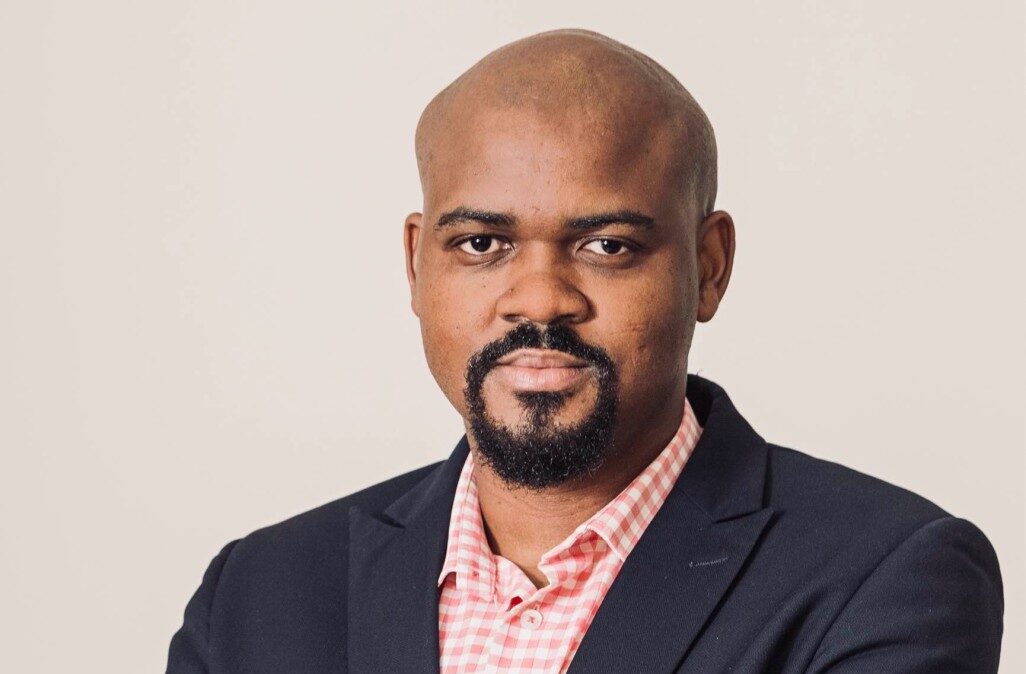
When Ayanda Bam set out from the Eastern Cape to study accounting, he never imagined that one day he’d become a force for justice in corporate South Africa. What began as a fallback career choice slowly transformed into a calling — a quiet form of activism, grounded in ethics, integrity, and an unwavering commitment to uncovering the truth. With more than a decade of experience in finance, compliance, and criminal investigations, Ayanda’s story is not only a masterclass in resilience but a powerful example of how life has a way of leading us exactly where we need to be.
From Psychology Dreams to Accounting Reality
Born and raised in the Eastern Cape, Ayanda completed his BCom Financial Accounting degree at the University of Fort Hare in East London. He never planned on a career in finance. “I think the career path chose me—I did not choose it,” Ayanda reflects. “I’ve always wanted to be a psychologist…but accounting was something I did in high school, and with the influence of parents, I got into it. I just had to make it work.”
When his mother passed away during his second year of university, pivoting or pausing wasn’t an option. “I didn’t have the luxury of changing courses. I had to finish what I started,” he says.
Still, Ayanda found a surprising comfort in subjects like tax and auditing. “Those were my saving grace,” he recalls. “I could connect with them. It gave me the confidence to just see the degree through.”
A Grad Program That Changed Everything
Shortly after graduating, Ayanda joined a graduate program at the revenue service. “At first, it was just a job,” he admits. “But it was targeted at young people entering the investigations space, and that’s where I was introduced to the world of investigations.”
The structured, three-year internship was intense but transformative. “We were fresh out of varsity. We knew nothing about the world of work,” Ayanda explains. “But it gave us the technical skills to navigate the space.”
Through this experience, he discovered a deep appreciation for uncovering the truth. “I like navigating. It’s like correcting the wrongs and trying to find the answers.”
The Psychology of People and the Power of Observation
Though Ayanda never became a psychologist, he went on to obtain an Honours degree in Psychology, which feeds that passion. “When you do investigations, you interact with people. You look at cues — is someone lying or not?” he says. “It brought in the psychology I always wanted. I love working with people and understanding the mind.”
This intersection between human behavior and investigative work has helped Ayanda remain curious and deeply committed to his craft. “It’s not just about numbers; it’s about people.”
The Why Behind the Work
With over a decade in the field, what keeps Ayanda grounded in his work?
“It’s the why,” he says firmly. “When I used to work in the Revenue Service (SARS), you understand that if people don’t pay taxes, the country doesn’t function. Schools don’t get built. Grandparents don’t receive their pensions. That’s what keeps me committed.”
But beyond numbers and revenue collection, his deeper motivation lies in justice. “When I see that justice has been done for someone, that means more to me than anything. It means the system is working.”
Leadership as Stewardship
Ayanda’s leadership philosophy is rooted in service. “I define leadership as a steward — someone who holds something on behalf of another and leaves it better than they found it.” Rather than chasing titles or status, he emphasizes responsibility. “When I leave a role, I want it to function better than when I found it. That’s how I think about work — not as working, but as serving.”
He’s also committed to succession: “Corporate is full of people. So if you don’t invest in the next generation, who will carry the baton?”
Advice for Aspiring Investigators
For those intrigued by the world of investigations, Ayanda encourages research and self-awareness. “Investigations is very broad — there’s insurance fraud, compliance, ethics. Ask yourself what space you want to enter.” He strongly recommends pursuing certifications such as the Certified Fraud Examiner (CFE) designation. “It’s internationally recognized and gives you a network to engage with others in the field. This work can be isolating — you need people to walk the journey with.”
He also mentions the value of anti-money laundering certifications, especially for those interested in banking. “Once you have the basics — a finance or law degree — these certifications help you stand out globally.” But above all, he insists: “Experience is the ultimate teacher. You can have all the degrees, but you need to spend time doing the work. Be willing to start from the bottom.”
A Day in the Life: Meetings, Reports, and Mentorship
As an Investigations Manager, Ayanda’s days are packed. From meetings and interviews to reviewing reports and collaborating with stakeholders, his work is dynamic and people-centered. “A lot of it is interviewing — witnesses, reviewing reports, guiding interns,” he says. “I always say to the interns, someone was there for me when I started, so I’ll always be there for them.”
Agility is key. “Sometimes your day goes out the window because of urgent matters — you just need to show up.”
Quiet Activism and the Joy of Justice
For Ayanda, investigations are a form of “quiet activism.”
“It’s about righting the wrongs,” he says. “You don’t post about it online. Confidentiality matters. But when someone has been bullied or mistreated, and the process brings resolution — that’s justice.”
He’s passionate about restoring trust — in systems, in organizations, and in the idea that wrongdoing doesn’t go unchecked. “When I see the system working, when I know someone has been heard and something was done — that’s what excites me to show up every day.”
Human at the Core — Even in the Age of AI
While Ayanda acknowledges that AI tools like Microsoft Copilot can help speed up processes — summarizing long reports or extracting key points — he believes the core of the work will always be human.
“AI is not here to replace people. In investigations, human intervention is essential,” he says. “You still have to do the work. The tools assist, but they don’t make the decisions.”
Paying It Forward
Ayanda’s commitment to mentorship and developing future talent is clear. “Corporate can be a beast, but it’s run by people. If the people are kind and compassionate, we can build something better.” His legacy isn’t just about uncovering fraud — it’s about leaving a profession and an organization better than he found it.
“When I leave this space, I want someone to feel like they belong and understand what they need to do. That’s how succession works.”
Listen to the Full Conversation
For an even deeper dive into Ayanda Bam’s journey, his reflections on purpose, psychology, and public service, listen to the full interview. It’s an inspiring, thought-provoking conversation that gives life to the words on this page.
Whether you’re a student, a young professional, or someone navigating career transitions, this episode offers lessons on staying committed to your “why,” embracing growth, and leading with integrity.
If you’re considering a career in investigations or compliance, Ayanda’s journey is proof that the path doesn’t have to be perfect to be powerful. With grit, compassion, and purpose, you can build a career that not only fulfills you — but restores trust, one case at a time.